


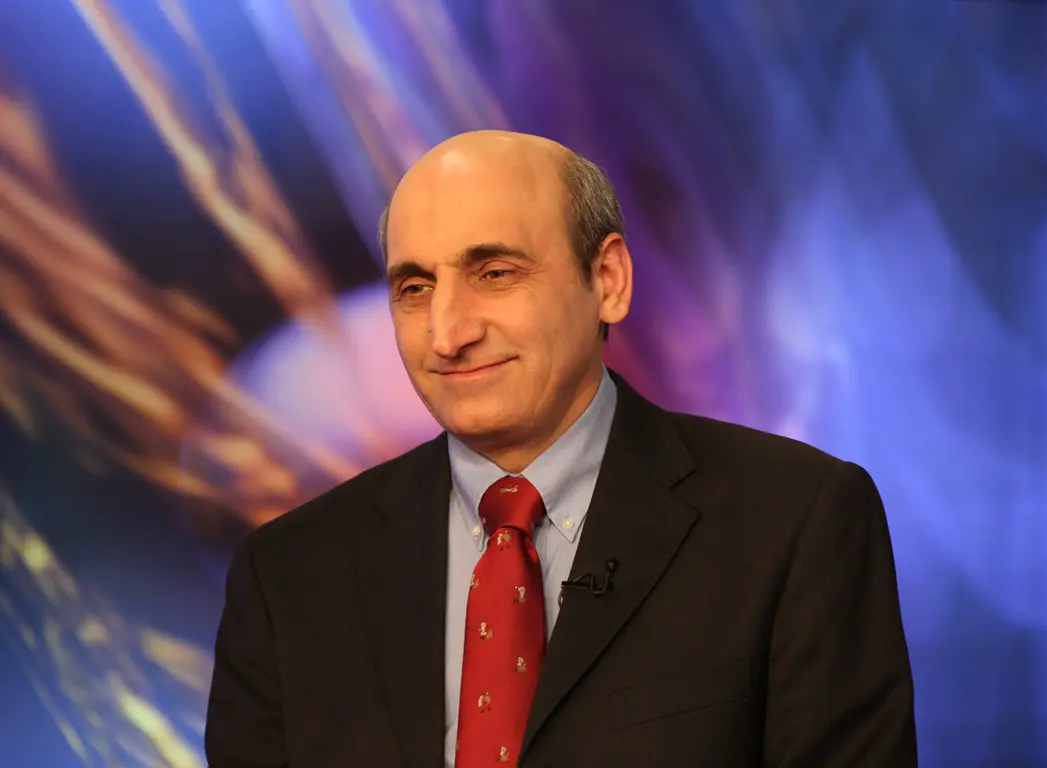
ROME (ITALPRESS) – “What makes this moment different is that society has crossed a psychological threshold. People no longer expect reform or relief. They are openly demanding an end to the entire system.” This is how Shahin Gobadi, spokesperson for the Iranian resistance movement abroad called the People’s Mojahedin Organization of Iran, comments on the demonstrations that have been flooding the streets of his country’s cities since December 28. Gobadi, who lives in Paris to escape a regime that does not allow opposition movements within the country, observes in an interview with Italpress that this is not a one-off phenomenon. “This is not a spontaneous outburst. It is the result of years of accumulated political, economic, and social pressure finally reaching a breaking point. Inflation, corruption, unemployment, and the looting of the country by the ruling elite have destroyed people’s lives. At the same time, the regime has answered every crisis with executions, repression, and fear. What makes this moment different is that society has crossed a psychological threshold. People no longer expect reform or relief. They are openly demanding the end of the entire system. What began as economic protest has become a political uprising aimed at overthrow”, explains the opposition movement’s spokesperson.
What is sustaining and expanding this uprising, which has now spread to more than 190 cities, is precisely the work of the Resistance Units of the People’s Mojahedin Organization of Iran, or Mujahedin-e Khalq (MEK). “These networks have been operating methodically, quietly, and prudently beneath the surface of society for years, recruiting, organizing, and coordinating acts of resistance. They provide the organizational backbone that allows protests to reappear after crackdowns, to spread from one city to another, and to move from symbolic protest to real confrontation with the regime”, Gobadi explains. Despite the internet shutdown and censorship, information continues to circulate through underground networks within the country. “Videos, casualty figures, locations of clashes, and arrests. That is how we know the scale, geographic spread, and intensity of the uprising. For example, on Saturday night, January 10, 2026, on the fourteenth day of the nationwide uprising, cities across Iran witnessed widespread uprisings and confrontations between the people and the regime’s repression forces”, Gobadi explains. “The regime itself confirms this reality through its behavior: it shuts down the internet, deploys drones, floods cities with security forces, and publicly admits that civilians have been killed and thousands arrested. These are not the actions of a government that feels secure”, observes the resistance spokesperson.
The next question is how this new uprising, of unexpected proportions perhaps for the regime itself, will end. “The regime is trying to force a return to fear through brute repression, shootings, mass arrests, torture, and executions. But something fundamental has changed: fear no longer works the way it used to. The protests are organized, resilient, and spreading. More social groups are joining, from youth to workers and bazaar merchants. The regime is being stretched across too many cities at once. When a government can rule only by killing its own people, it is already in a terminal crisis. The prospect for change is brighter than ever before”, comments the spokesperson for the Iranian resistance movement. Regarding the possibility of American intervention, Gobadi responds by echoing the words of the leader of the movement to which he belongs, the president-elect of the National Council of Resistance of Iran (NCRI), Maryam Rajavi: “Although the regime ruling Iran has been severely weakened and has suffered heavy blows, it will not collapse under the weight of its own failures. Its overthrow will not come from outside Iran, nor will it be delivered by the will of foreign capitals. The destiny of Iran rests in the hands of its citizens. Lasting change demands more than dissent; it requires an organized, grassroots movement resilient enough to challenge the machinery of a formidable dictatorship. That resistance movement exists on the ground”. This does not mean, Gobadi adds, that the world should remain on the sidelines.
“The United States and the European Union must impose real costs on the machinery of repression, support free internet and communications, pursue international accountability for crimes against humanity, and, crucially, unequivocally voice support for the Iranian people’s right to overthrow this regime”, Gobadi says. Recognizing this right, publicly and politically, is, according to the movement’s spokesperson, “of great importance” because it ” weakens the regime’s claim to legitimacy and strengthens the morale of those risking their lives inside Iran”. A final appeal from Gobadi emphasizes that “the Iranian people do not need foreign soldiers, but they do need the world to impose sanctions on their oppressors, close embassies and other centers of the regime in their country, and to stand clearly on the side of the Iranian people’s struggle for freedom and a democratic republic”.
– photo Shahin Gobadi –
(ITALPRESS).