

VALLETTA (MALTA) (ITALPRESS/MNA) – Junior doctors working in Malta have the lowest levels of work-life satisfaction in the European Union, according to a new study by the European Junior Doctors (EJD) Association.
The research found that Maltese junior doctors work some of the longest hours in Europe while taking the fewest rest days each month. The survey analysed data from 19 EU countries and met statistical requirements for a 95% confidence level, despite not specifying the number of Maltese participants.
When asked about work-life balance, Malta ranked among the countries with the highest dissatisfaction levels, alongside Greece, Portugal and Switzerland. Malta also recorded the lowest proportion of respondents who said they were satisfied with their working conditions.
The study linked dissatisfaction primarily to long working hours. Junior doctors in Malta work an average of 65 hours per week, compared with 72 in Greece and 69 in Cyprus. This far exceeds the European Working Time Directive’s 48-hour weekly limit, which most countries surpass due to opt-out provisions. Across the survey, the average working week stood at 57 hours.
The findings also highlighted the burden of night work. In Malta, 82% of junior doctors undertake 24-hour shifts and 91% perform night duties, averaging six nights per month. Only Greece recorded a higher average. Maltese junior doctors also reported the fewest rest days, with an average of four per month, while 9% said they were unable to take four weeks of annual leave.
The EJD called for Malta to urgently comply with EU working time rules, reform its rota system and better enforce rest periods.
Medical Association of Malta president Patrick Sammut described the situation as the result of an outdated system. He said many young doctors feel pressured to work excessive hours due to low hourly pay, concerns about career progression and fears of missing out on training opportunities.
Sammut said the association is pushing for improved remuneration in the next collective agreement and is in discussions with Mater Dei Hospital and other stakeholders to better distribute workloads.
The report also cited broader mental health concerns. A World Health Organisation survey found Maltese healthcare workers among those working the longest hours in Europe, with 29% reporting anxiety and 44% taking sick leave due to mental health issues.
Rising hospital admissions linked to flu and norovirus have further strained services, prompting the government to outsource some emergency care to private hospitals.
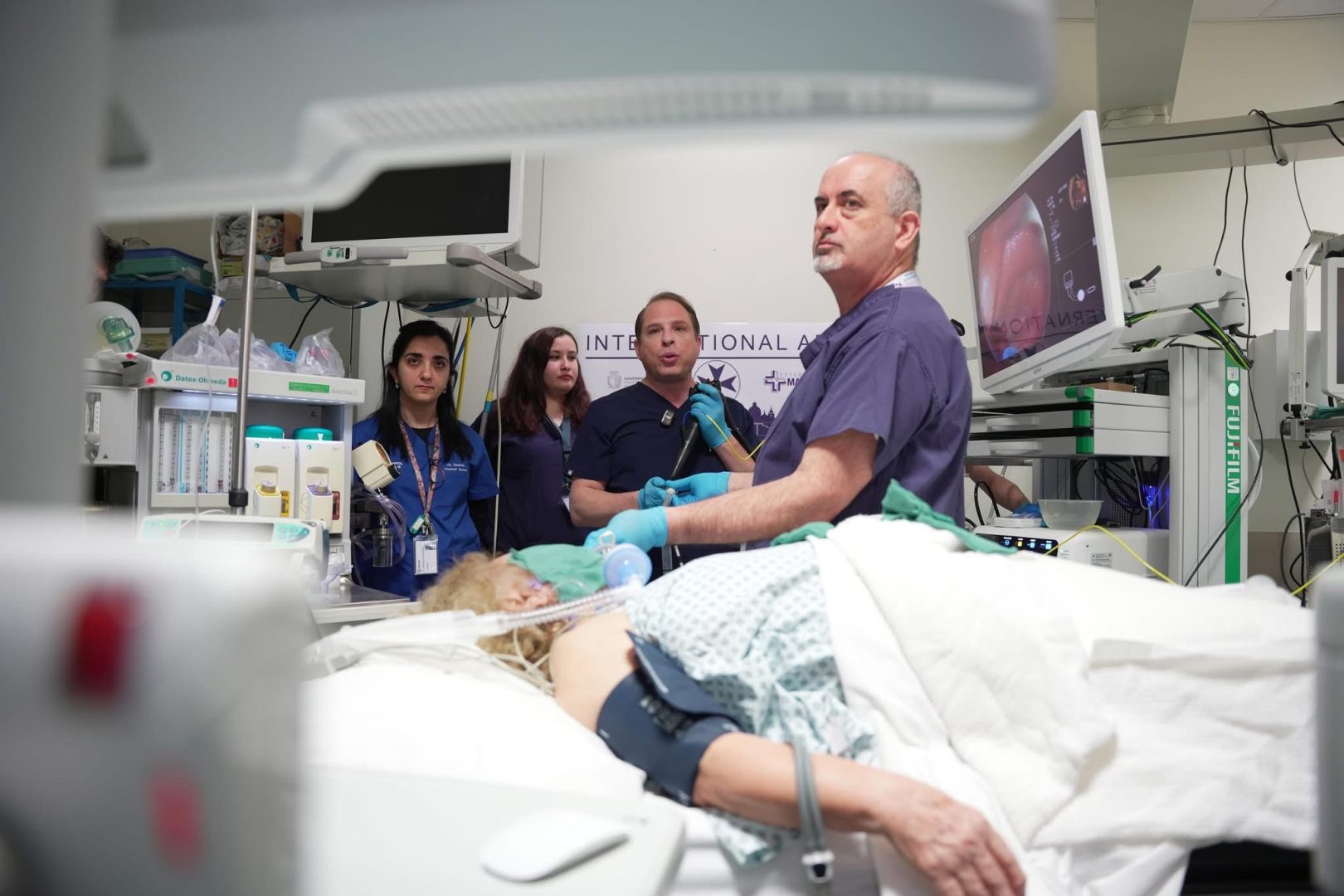
– photo Mater Dei hospital –
(ITALPRESS).