

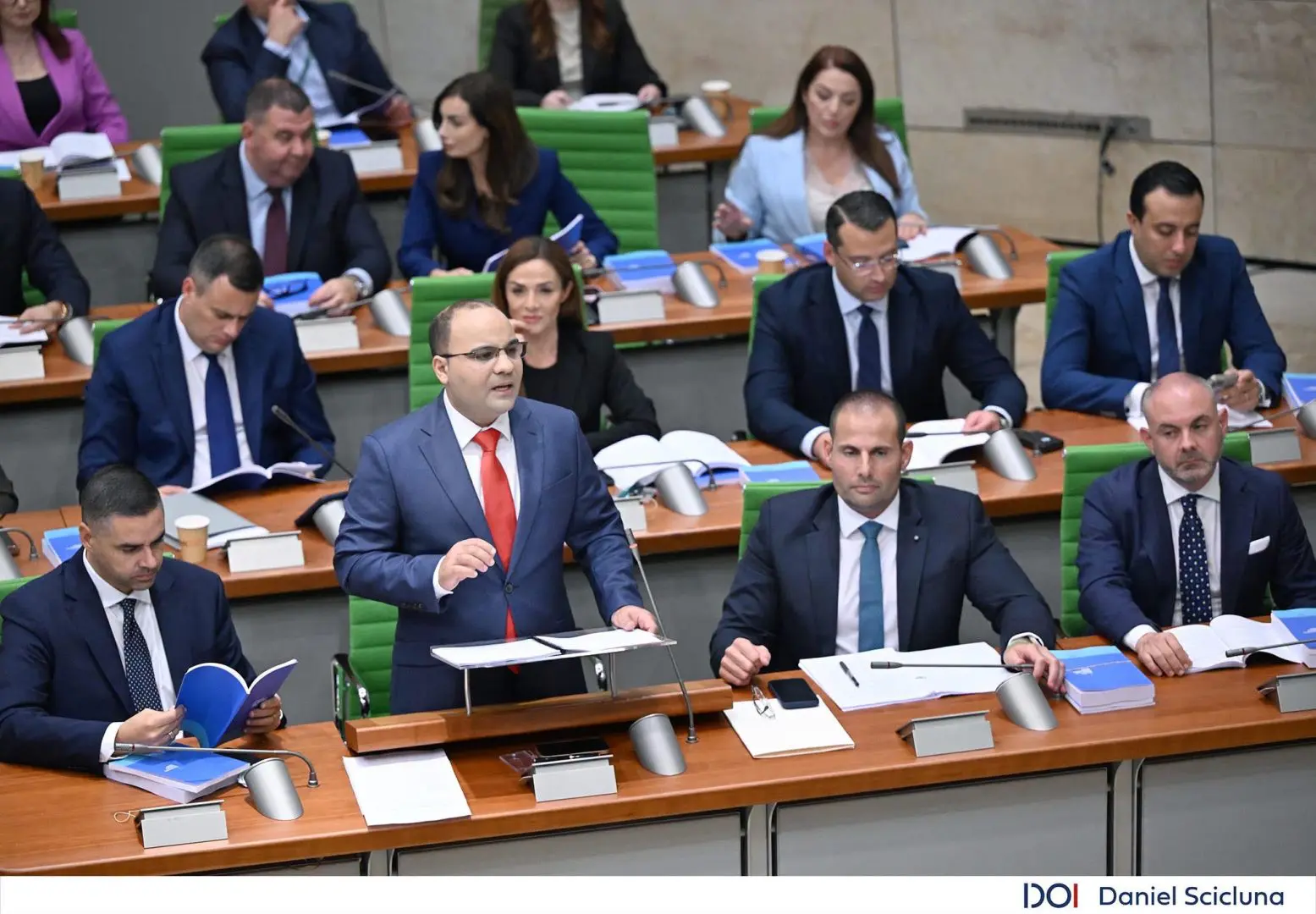
VALLETTA (MALTA) (ITALPRESS/MNA) – Malta’s Budget 2027 introduces a €1,000 Super Bonus for workers, maintains substantial energy subsidies and increases fees for non-EU nationals and tourists as the government seeks to reshape the country’s economic model.
Finance Minister Clyde Caruana said Malta must reduce its dependence on recruiting foreign workers and encourage businesses to invest in technology, skills and productivity.
The government will pay the non-taxable Super Bonus by April 2027 to eligible Maltese and EU workers and long-term residents. Workers earning at least €12,000 annually will receive €1,000, while lower earners will receive a pro-rata payment. Self-employed and part-time workers will also qualify.
Meanwhile, the government has confirmed that it will continue subsidising electricity, gas and fuel prices, allocating approximately €400 million for energy subsidies in 2027, following similar expenditure expected this year.
According to the government’s estimates, energy-related and inflation-mitigation measures cost public coffers approximately €1.9 billion between 2020 and 2026. Around €75 million will also be allocated in 2027 to improve Malta’s electricity distribution network.
Caruana has warned that removing energy subsidies could reduce Malta’s gross domestic product by around 2.2%, while potentially increasing unemployment and putting additional pressure on households and businesses.
Despite the continued subsidies, third-country nationals who have lived in Malta for less than five years will face higher costs from next year. Initial work permit applications will rise from €600 to €800, while annual renewal fees will increase from €150 to €400.
Applicants will also have to pay the renewal fee alongside their initial application, bringing the total to €1,200. The government expects the additional infrastructure contribution to generate €80 million annually.
Affected workers will also face monthly charges of €83 for driving and €33 for public transport. Newly registered children will have to pay for childcare, although eligible children already enrolled will retain free access.
Tourists will face higher eco-contributions, rising from €1.50 to €8 per night at hotels and €10 at short-term rentals, subject to respective caps of €64 and €80. The government expects the measure to generate €182 million annually for tourism.
Additional charges include a €10 eco-contribution for cruise passengers who disembark and re-embark on the same day.
Caruana said Malta had added 106,000 foreign workers over the past decade, contributing to economic growth but also placing pressure on infrastructure.
He stressed that the government wanted to maintain economic growth while increasing productivity and improving quality of life. However, higher costs and reduced benefits for third-country nationals have drawn criticism from business groups and trade unions over their potential impact on vulnerable workers and employers.
-Photo DOI-
(ITALPRESS).