


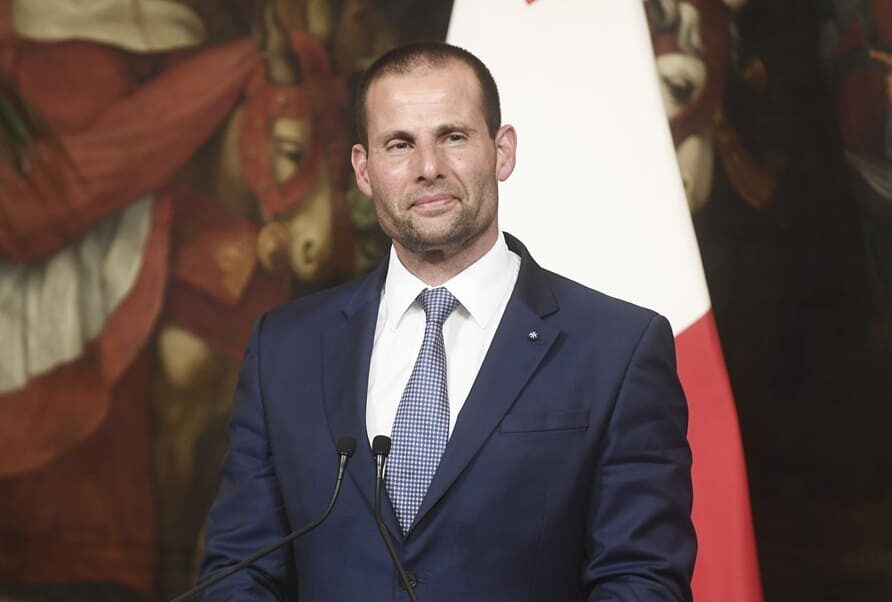
LA VALLETTA (MALTA) (ITALPRESS/MNA) – Malta will not support the introduction of taxation at European level in negotiations on the EU’s next long-term budget. Prime Minister Robert Abela reiterated this position to European Council President António Costa, who is visiting Malta as part of his “Tour des Capitales”, aimed at engaging with European leaders on the 2028-2034 budget.
“Malta cannot support the introduction of taxation at a European level,” Abela said, while assuring that “we will engage constructively to identify fair and proportionate financing options, but any solution must respect the balance on which the Union is founded”.
Costa stressed that the new budget must respond to a geopolitical environment profoundly different from that of 2020, allocating resources to defence, competitiveness, security and strategic resilience, while maintaining support for agriculture and regional policies.
On the revenue side, the European Council president reiterated the need for new EU own resources to reduce pressure on national budgets. “We need new European revenues to reduce the pressure on national budgets,” he said, describing the issue as “a key element of an overall agreement”.
Costa said the end of 2026 should be the deadline for reaching an agreement on the financial framework, with legislation prepared in 2027 and implementation beginning in 2028. “Reaching an agreement by the end of the year is essential.”
The European Council president also stressed the importance of engaging with all member states in order to reach a common position. “This will help the European Council achieve unity.”
The Maltese prime minister called for the next budget to take into account the specific circumstances of island states, which face higher costs linked to maritime, energy, inflationary and digital factors. “It is not acceptable that Malta’s citizens and businesses should face higher costs or reduced choice simply because they live and operate in an island Member State.”
Abela also insisted on the need to preserve cohesion policy, which he described as an essential tool for reducing disparities between European regions. “Europe will not become stronger by weakening the instruments that help Member States reduce disparities, strengthen their capabilities and expand opportunities,” he said.
Malta’s position comes at a time when the country’s corporate tax regime is under scrutiny. The system combines a headline tax rate of 35% with a refund mechanism that can reduce the effective tax rate on trading profits to around 5%. Around 8,000 active companies benefit from the mechanism.
In 2022, companies that would have been liable to pay around €1.5 billion in taxes paid €216.6 million after refunds. The tax system has made Malta an attractive destination for international businesses, while also drawing criticism over its role in facilitating tax planning by multinational companies.
Malta has accepted the OECD’s 15% global minimum tax for large multinational companies, but has secured a delay in its implementation until 2029.
– photo IPA Agency –
(ITALPRESS).